.png)
The rise of social stacking: how women are redesigning connection for modern life
Our latest Anatomy of a Social Life report reveals a social world in flux. Women are not opting out of connection; they are recalibrating it. Against a backdrop of tighter budgets, stretched schedules and heightened emotional bandwidth, socialising is becoming smaller, smarter and more intentionally woven into everyday life.

The emerging behaviour we are calling social stacking is a response to this pressure. It is the rise of the time-optimal occasion: moments that combine friendship with fitness, errands with intimacy, self-care with community or dining out with a sense of productive personal maintenance. Put simply, women are looking for social experiences that do more than one job.
The social calendar is being edited, not abandoned
According to the report, 82% of women say their social lives have changed in the last three years: 33% say for the better, 22% for the worse and 27% describe it as “just different”. That nuance matters. This is not a simple story of social decline, but of social redesign. The traditional markers of connection – big nights out, packed diaries and spontaneous drinks – are giving way to lower-pressure encounters that feel more compatible with the realities of modern life.
Women are guarding their time, energy and peace with new precision. Two-thirds are now more selective about how they socialise, while cost is preventing 42% from enjoying the social life they want. Over a third also struggle with free time and availability. In this context, the “ideal plan” is increasingly one that satisfies multiple needs at once: connection, movement, nourishment, routine, reward and restoration.
From habit stacking to social stacking
The logic of habit stacking has moved beyond personal productivity and into the social sphere. A Thinkfluencer described signing up to a yoga event because it meant she could “have done my movement, caught up with friends and I can eat out, all without spending too much”. Another described turning a household shop into a chance to see a friend: “It was a nice way to socialise with my friend while also doing a boring daily chore.”
These are not compromises. They are culturally fluent forms of connection. They speak to a generation of women who want social life to feel lighter, more useful and less administratively demanding. The run club “that’s social and not too serious”, the canal-side chat while exercising, the coffee-shop catch-up that doubles as a reset: these are the new rituals of social efficiency.
The rise of the hybrid hour
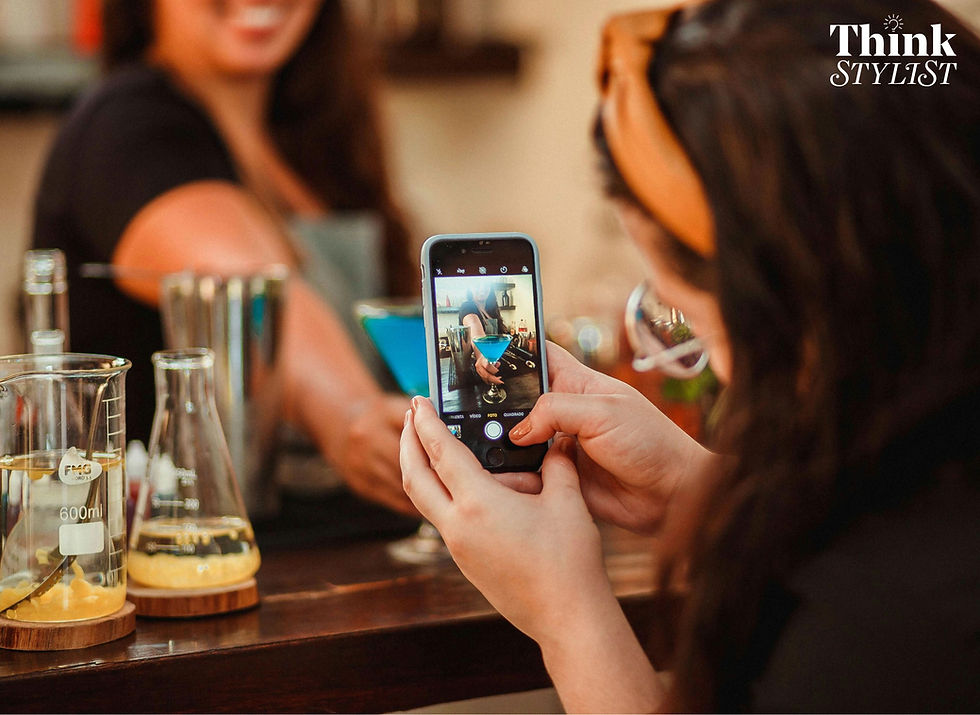
If happy hour once symbolised social release, hybrid hour now signals something more aligned with contemporary priorities. The new social occasion is not always about escape – it is about integration. From sauna raves to ceramics classes, adult playdates and bakery-based third spaces, women are seeking moments that produce a practical or emotional outcome, not just a hangover or a receipt.
This shift is also being shaped by health over hedonism. Socialising is no longer automatically assumed to mean late nights, alcohol or depleted Sundays. Instead, wellness-led, routine-based and daytime formats are gaining cultural relevance because they protect the very resources women feel are most scarce: time, energy, money and headspace.
What this means for brands
For brands, time optimisation creates a clear strategic challenge: how do you earn a place in moments where women are more selective than ever? Relevance will not come from adding more noise to her calendar. It will come from helping make existing behaviours feel richer, easier, more connected or more rewarding.
The opportunity is to design for blended need-states. Can a retail experience become a social ritual? Can wellness become a community touchpoint? Can an everyday errand feel like a moment of discovery? Can a brand support friendship without forcing women into outdated models of fun?
Women still want to see their friends more often (45% say exactly that), but the routes to connection are changing. The brands that understand this will be the ones that move beyond campaigns and into context: showing up in the places, patterns and practical rituals where modern social life is now being made.
Where does your brand sit?
At Think Stylist, we help brands understand where they currently sit in women’s evolving lives, identify the opportunity gaps and prioritise where to play next. As social life becomes more intentional, hybrid and time-optimised, the question is no longer simply how to reach her. It is how to become meaningfully useful in the moments she is already choosing to protect.
Make sure you’re signed up to our insights newsletter, Muse, to get the latest thinking direct to your inbox every month.